Curved Sofa vs Modular Sofa: Which Fits Your Hotel Lounge or Villa Living Room?
The shape of a sofa gets decided later than it should in a lot of projects — after the color, after the material, sometimes after the order’s already half-placed. But shape is actually one of the harder things to change once furniture arrives, and it affects how a room functions day to day more than most of the finish details people spend weeks agonizing over.

Curved Sofas: Built for a Specific Kind of Room
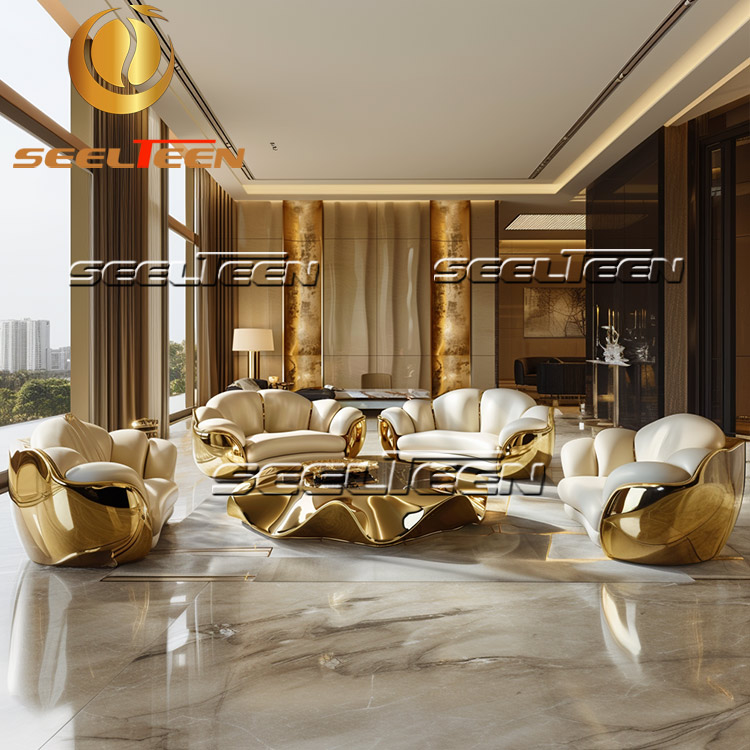
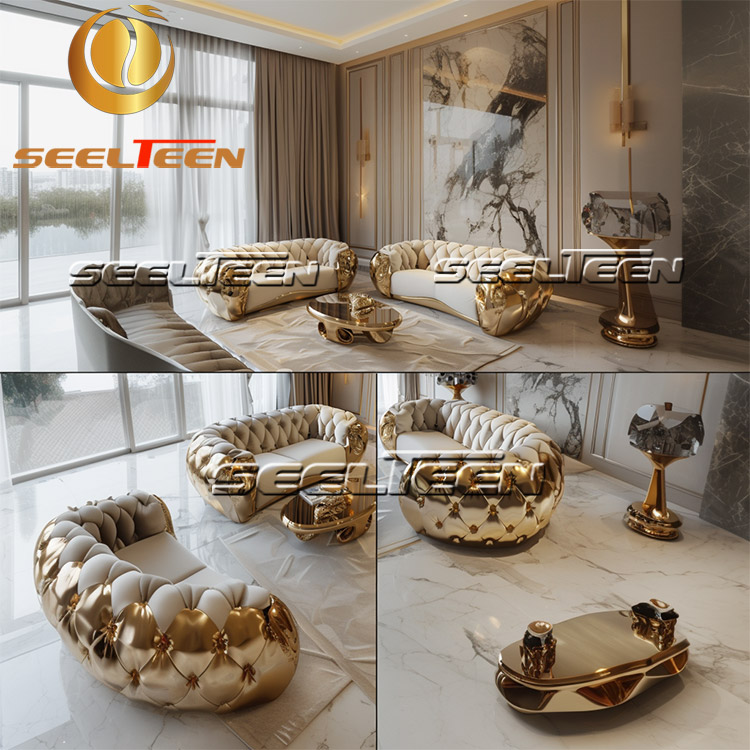
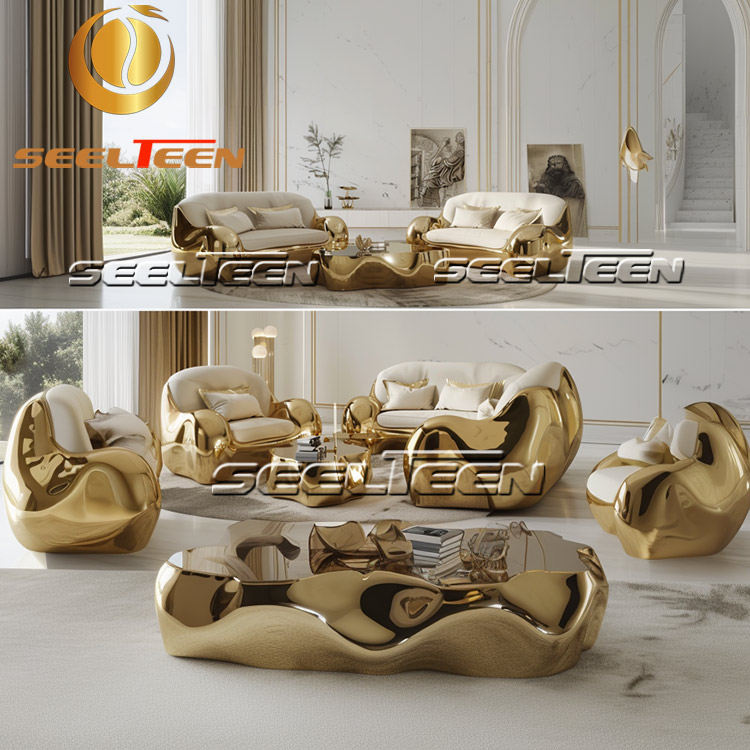
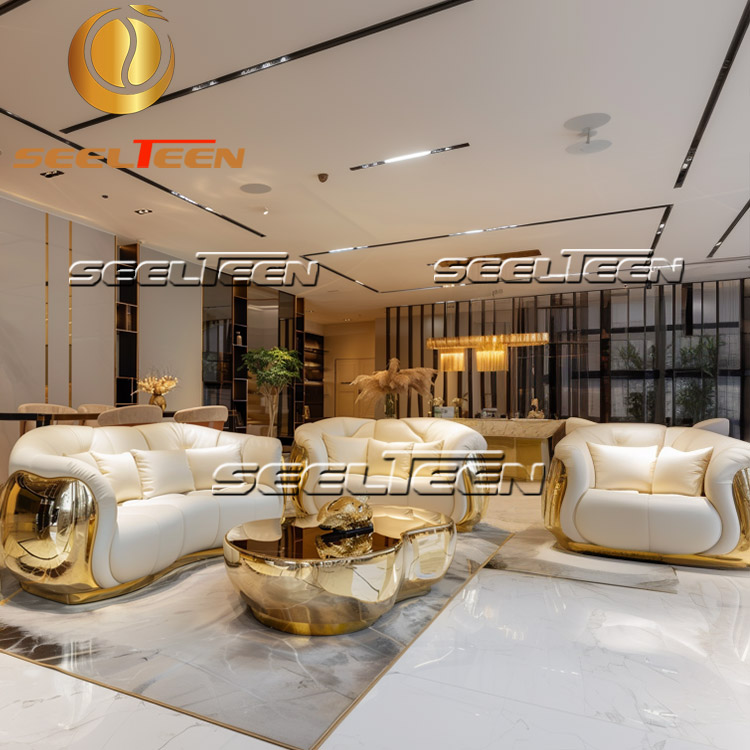
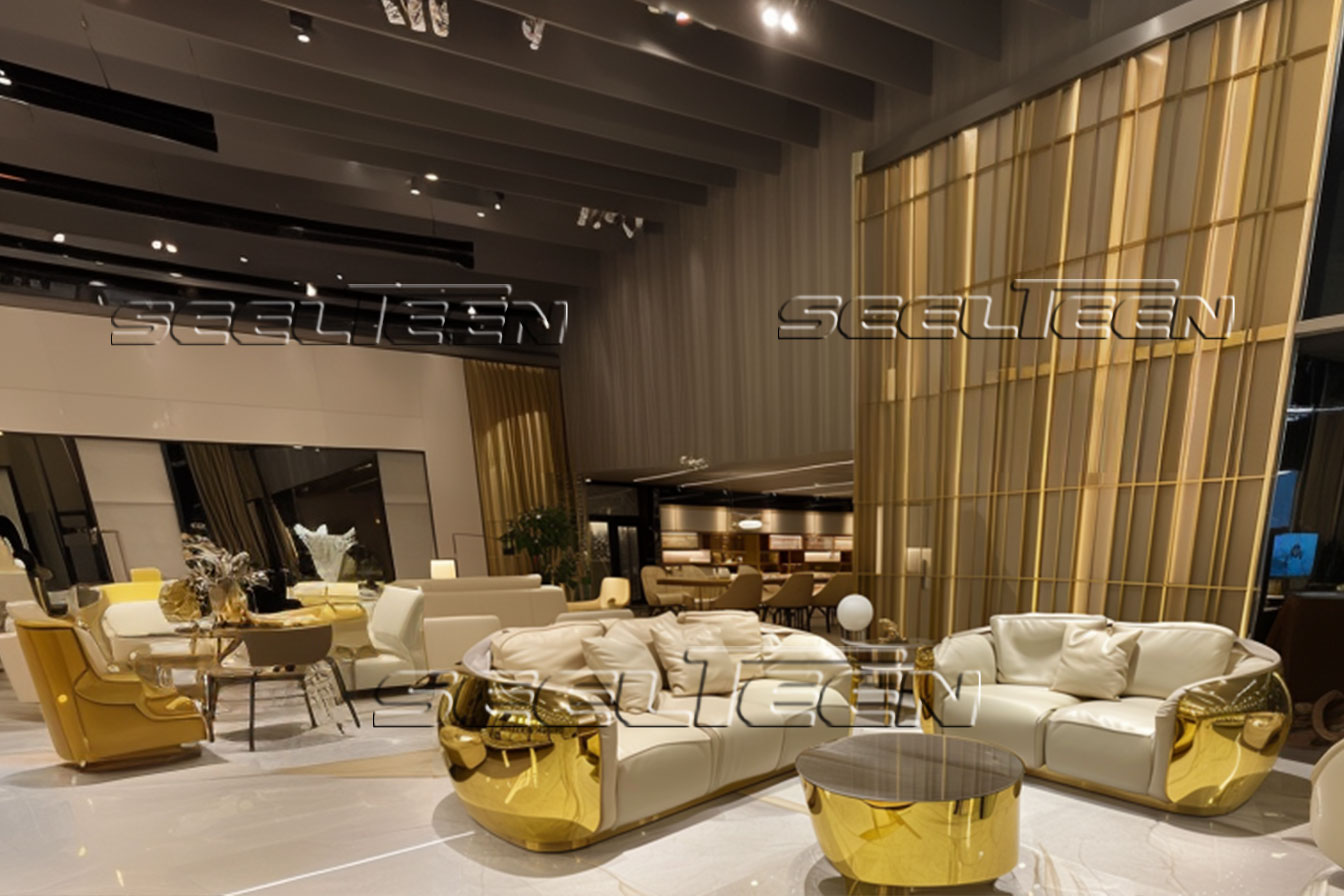
A curved sofa does one thing very well — it softens a space and creates a natural gathering point, which is exactly why they’ve become common in hotel lobbies and lounge areas built around a circular or open floor plan. The shape draws people inward, facing each other, which suits a social lounge setting better than a straight run of seating ever really does.
They also tend to become the visual anchor of a room almost automatically. A curved silhouette against a straight-walled space creates enough contrast that guests notice it, which is part of why hotel lobbies use them near a central feature — a chandelier, a fireplace, a piece of art — where the sofa’s shape echoes something else happening in the room.
The catch is that curves aren’t flexible once they’re built. A curved sofa is made for a specific radius and a specific footprint, so it needs the room’s layout finalized before production, not adjusted afterward. It also doesn’t split apart or reconfigure — what arrives is what stays, more or less permanently, in the spot it was designed for. For a lobby that’s rarely rearranged, that’s not a problem. For a space that needs to flex between different events or layouts, it can be a real limitation.
Modular Sofas: Built for Rooms That Need to Change
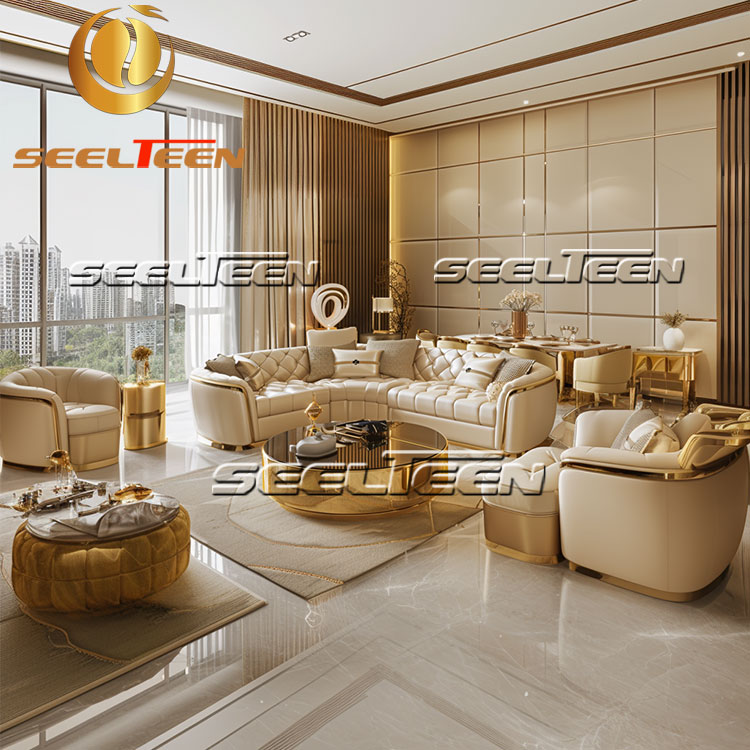
Modular seating solves the flexibility problem directly — individual sections connect and reconfigure, so the same pieces can form an L-shape for daily use and a straight run or U-shape for an event, without ordering new furniture. That adaptability matters more in villa living rooms and multi-purpose lounge spaces than it does in a fixed hotel lobby.
It also scales more easily. Adding or removing a section to fit a slightly different room size or a change in floor plan is straightforward with modular pieces, where a curved sofa would need to be re-fabricated entirely. For phased renovations or properties still finalizing exact room dimensions, that flexibility can matter more than people expect going in.
What modular gives up is the singular visual impact of a curve. A well-arranged modular sectional still looks good, but it reads as furniture doing its job rather than as a design statement the way a sweeping curved piece does. Seams between sections are also a small but real consideration — depending on the manufacturing quality, the joins between modules can be more or less visible, and it’s worth asking a supplier how they handle that transition before ordering.
Matching the Shape to the Room
A few practical questions tend to settle this faster than debating which looks better in isolation:
Is the floor plan finalized? Curved sofas need committed dimensions before production. If a layout is still likely to shift, modular buys time and flexibility that a curved piece doesn’t allow.
Does this space need to serve more than one function? A lounge that hosts a lobby bar in the evening and a quiet seating area during the day benefits from modular’s ability to reconfigure. A space with one fixed daily use doesn’t need that flexibility and can lean into a curved statement piece instead.
What’s actually anchoring the room visually? If there’s already a strong focal point — a chandelier, a feature wall, a fireplace — a curved sofa echoing that shape adds cohesion. In a more neutral room, modular seating lets other design elements carry the visual weight instead.
How much daily traffic and rearranging happens here? High-traffic public lounges with occasional event use lean modular. Lower-traffic, design-forward spaces meant to be seen more than rearranged lean curved.
Bottom Line
Curved sofas make a stronger visual statement and suit spaces built around a fixed, circular, or feature-anchored layout. Modular sofas trade some of that visual drama for genuine flexibility, which matters more in spaces that need to adapt over time or serve multiple functions. Neither is the “better” choice in general — it comes down to whether the room’s layout is settled and how much the space needs to change.
If you’re deciding between the two for a specific room, send over the floor plan and we can talk through which shape actually fits the space and how it’ll be used.
Welcome to contact us to get the latest price list!
Do you need to read another article? Please click on this: What Makes Hotel Bedroom Furniture Different from Residential Furniture
Please find us on Facebook and Instagram, and don’t miss a single breath