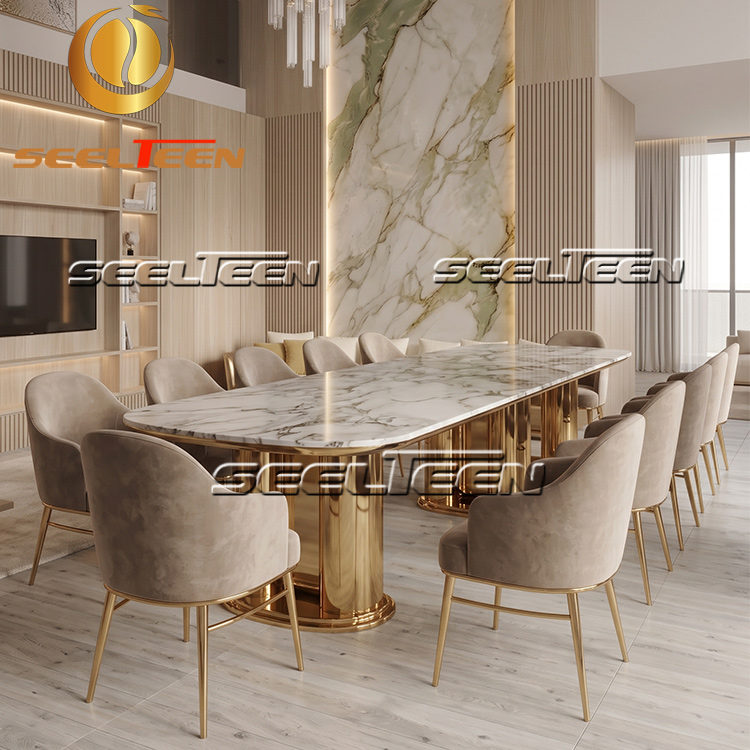
Stainless Steel Dining Tables for Restaurants and Hotels
Nobody in this business buys just one dining table. It’s twenty, eighty, sometimes two hundred for a hotel banquet floor — and that changes the whole calculation. A table that looks sharp in a showroom can start wobbling within a month of nightly wipe-downs and chairs getting scraped in and out. If you’re sourcing stainless steel dining tables for a restaurant, café, or hotel dining room, the stuff that actually matters rarely shows up in a catalog photo. It’s in the steel grade, the base construction, and how the top gets finished before it ever leaves the factory. Here’s what’s worth checking.
Why Stainless Steel Keeps Winning in Commercial Dining
Wood looks warmer. Marble looks fancier. Stainless steel still shows up across commercial kitchens and dining rooms anyway, and it’s not about looks. Liquid doesn’t soak in — a wine spill or a sauce splash just wipes off. Humidity doesn’t warp it the way it can warp solid wood in a space that gets mopped every night. And it shrugs off years of harsh commercial cleaning chemicals that would dull or discolor most other finishes within a season.
Here’s the real gap, though: there’s a big difference between a table built for daily restaurant abuse and one built to look good in photos for a few weeks. That gap usually comes down to three things — the grade of steel, how the frame gets welded, and what’s actually holding the tabletop down.
Steel Grade: The Part Nobody Asks About
Most buyers assume “stainless steel” is just one material. It isn’t. 304-grade stainless is the industry standard for commercial furniture, and it resists corrosion well even around welds and edges. Cheaper blends — often just labeled “stainless” with no number attached — corrode faster in exactly those spots. That shows up worse in coastal areas or humid climates, where salt air speeds the whole process along.
If a supplier can’t tell you the steel grade when you ask, take that as a warning sign, not a minor detail. A restaurant table gets touched, leaned on, and cleaned constantly — far more than almost anything else in the building. What’s under the finish matters here in a way it just doesn’t for a decorative side table at home.
Base Construction: Where Wobble Actually Comes From
A dining table rarely fails because the top cracks. It fails because the base loosens first. Look at how the legs connect to the frame. Bolted connections with reinforced plates tend to outlast a single weld point, since welds can develop hairline stress cracks after months of chairs getting pushed in and pulled out several times a day.
Cross-bracing matters more than it sounds like it should. A bracing bar or plate running between the legs resists the side-to-side rock that creeps in after a table’s been bumped a few hundred times by servers passing and diners pulling out chairs. Tables without that bracing often feel rock-solid on day one, then noticeably looser a few months into real use.
Tabletop Finish: Brushed, Polished, or Something Else
Most restaurants actually want a brushed stainless finish, even though the polished, chrome-style version photographs better for marketing. A mirror-polished surface shows every fingerprint, water spot, and scratch under dining room lighting, and it needs constant wiping just to look presentable. Brushed finishes hide fingerprints and light scuffing far better — a difference that barely matters on day one but matters a lot six months in.
Edge treatment is worth asking about, too. A rolled or bullnose edge feels more comfortable for guests leaning on the table, and it resists chipping better than a sharp, squared one. It’s also a small safety consideration in a busy dining room where people are moving fast between tables.
Ordering for a Restaurant vs. Ordering for a Home
A homeowner buying a stainless steel dining table mostly cares about how it looks in the room and how many people it seats. A restaurant or hotel buyer has a longer list to work through. Do the tables stack or store easily during off-hours? Can tabletops be swapped out or resized for banquet-style seating? Will every table in a large order actually match in finish and height? Does the lead time work against a renovation deadline or an opening date? A homeowner never has to think about any of that.
Ask a manufacturer directly about minimum order quantity and whether they can hold consistent finish and dimensions across a bulk run. Eighty tables that don’t quite match in tone become obvious fast under dining room lighting — even when each one looked fine sitting alone in a factory photo.
Maintenance That Actually Keeps Steel Looking New
Stainless resists rust, but it’s not maintenance-free. Wipe with the grain of the brushed finish, not across it; going against the grain leaves visible scuff marks over time. Skip the abrasive scrub pads and bleach-heavy cleaners — they pit the surface and dull the finish faster than a mild detergent ever would. For tables under heavy daily use, a light food-safe stainless polish every few weeks keeps the texture looking even instead of patchy near the high-touch edges.
Frequently Asked Questions
What’s the difference between 304 stainless steel and cheaper “stainless” furniture?
304-grade steel carries enough chromium and nickel to resist corrosion consistently, even around welds and cut edges. Cheaper, unspecified stainless blends tend to corrode faster in those same spots, especially in humid or coastal climates.
Is a welded table base or a bolted base better for restaurant use?
Bolted connections with reinforced plates generally last longer than a single weld point, since welds can develop small stress cracks from the repeated movement a restaurant table goes through every day.
Should a restaurant choose a brushed or polished stainless finish?
Brushed, in most cases. It hides fingerprints, water spots, and light scuffing far better than a polished surface, which shows every mark under dining room lighting.
How many dining tables can a manufacturer usually customize for one order?
Depends on the factory — but most commercial furniture manufacturers, Seelteen included, can handle bulk orders with consistent finish and dimensions for hotel or restaurant projects. Worth confirming minimum order quantity and lead time directly before committing to anything.
Do stainless steel dining tables need special care compared to wood?
Less, generally. No refinishing or sealing like wood needs — just wipe with the grain and stick to non-abrasive cleaners so the brushed finish doesn’t scuff or dull.
Where This Fits at Seelteen
Foshan SeelTeen Furniture Co., Ltd. has designed and manufactured hotel and restaurant furniture since 2015, running an office, factory, and exhibition hall that covers 12,000 square meters. The Quality Dining Room Tables stainless steel line follows the same construction logic covered above — built for restaurant, banquet, and hotel dining rooms that need consistent quality across large orders, not just one good-looking showroom piece.
Browse the full Dining Table range, the wider Dining Room Furniture category, or Commercial Restaurant Furniture to compare options, or contact Seelteen directly for a bulk-order quote or custom finish.
Welcome to contact us to get the latest price list!
Do you need to read another article? Please click on this: Luxury Stainless Steel Dining Chair: Where Art Meets Comfort
Please find us on Facebook and Instagram, and don’t miss a single breath